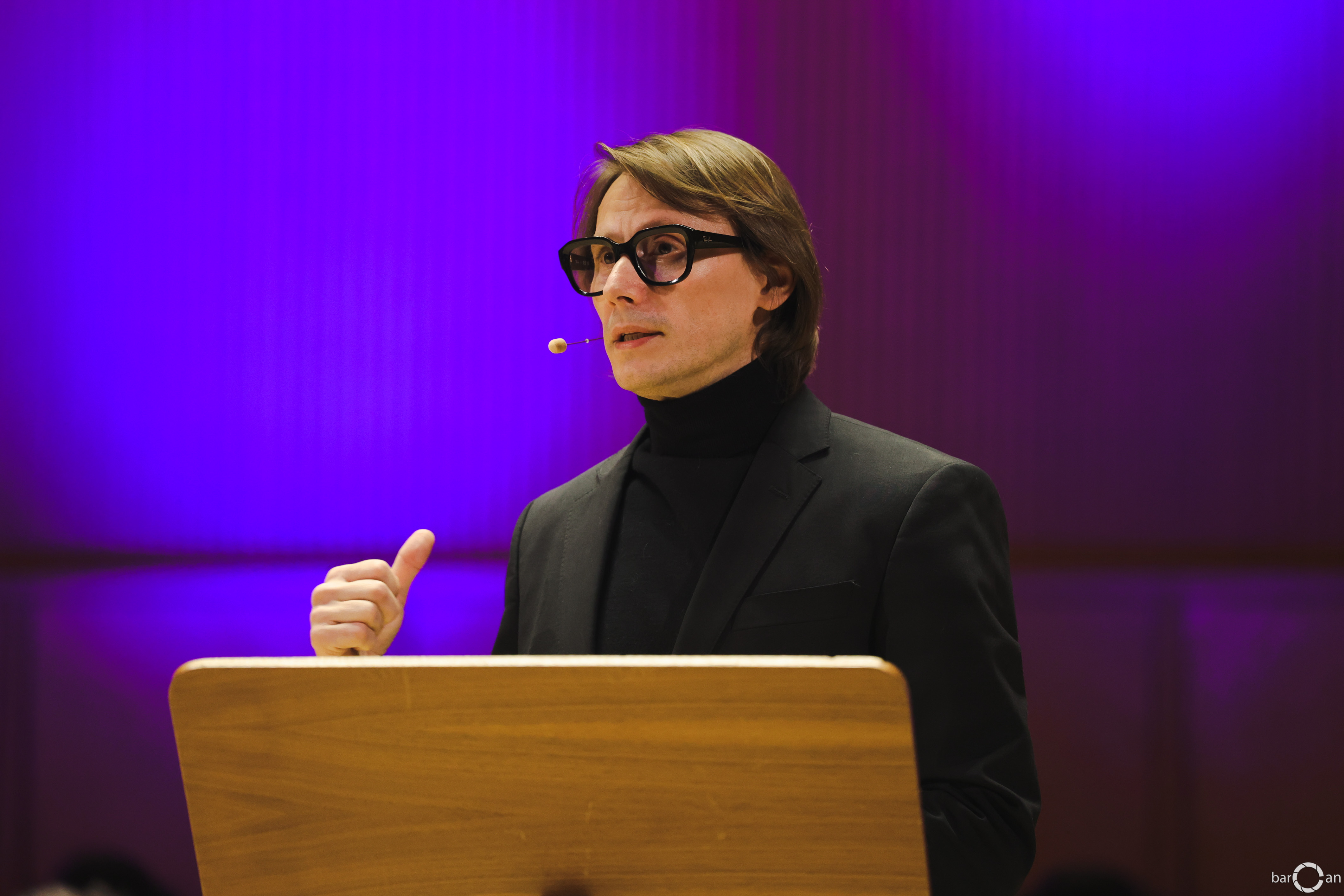
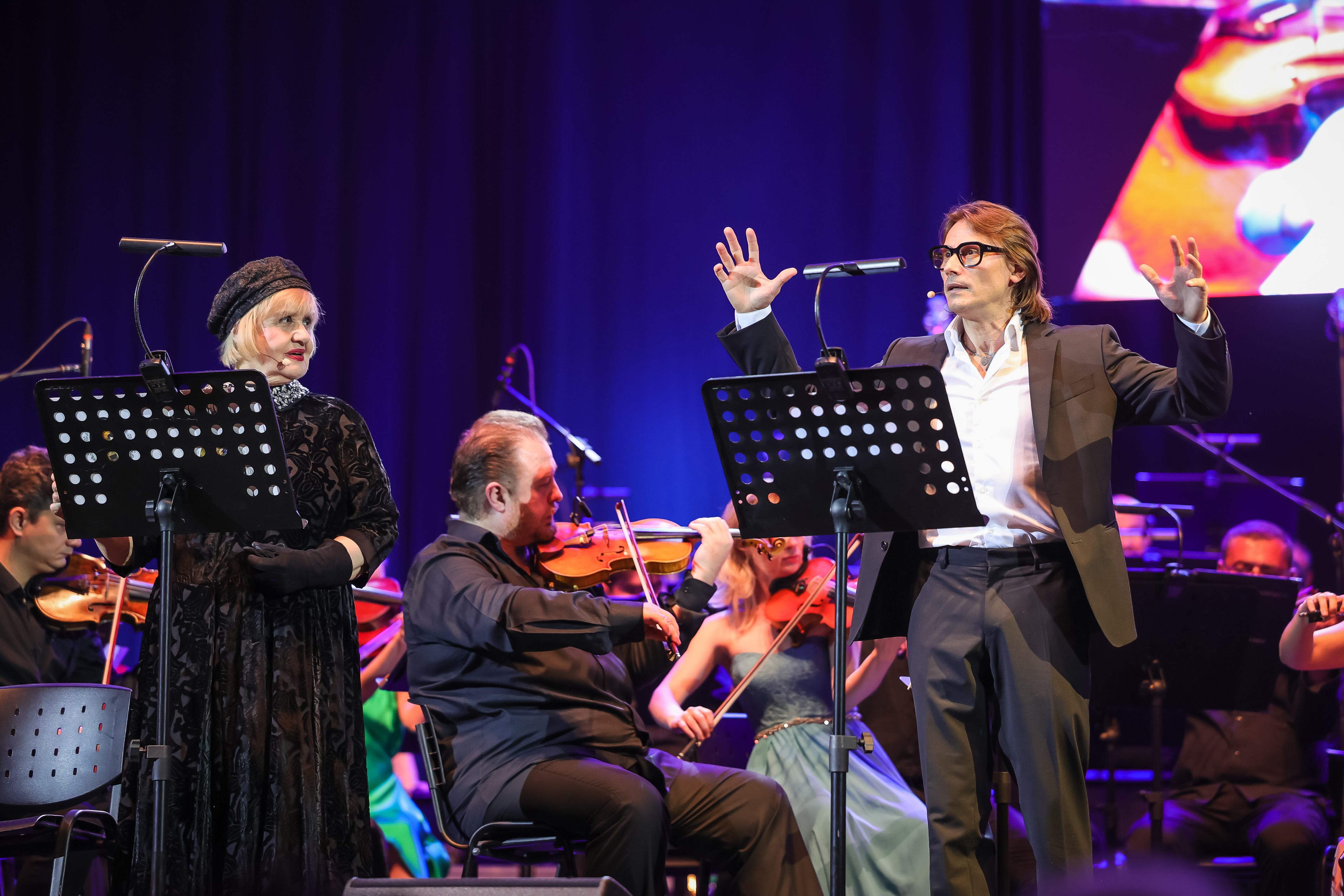
Marius, the title of your book - Happiness Lies in the Next Act”- suggests that happiness is always ahead of us, never here. Is that true?
No, not always. The title is about me, about the life I’ve lived so far, about what I believed. But happiness is always here, in the present moment. And yes, it can also be in the next act, but that doesn’t exclude the happiness we experience now, often without even realizing it.
And this idea of happiness… I don’t know why we confuse it with a heightened state of exhilaration, something explosive, extraordinary. More often than not, happiness is hidden in small things and if you pause during the day and realize you’re healthy and you have everything you need, that should be enough. We spend so much time waiting to be happy, when in fact we are, most of the time, even with problems, because… things can always be worse.
When did you realize that the “next act” had brought you something good?
Oh, many times, so many times! I’ve always been lucky and naturally optimistic. I tend to see the good in everything bad, so I’ve been spared major disappointments.
I’ve been fortunate to have many opportunities in life, but also the strength to create them when they didn’t exist.
I’ve always planned my future, I’ve always had plans, because I’ve been dreaming for as long as I can remember. Everything I truly wanted to happen, did. And the things I didn’t want didn’t and I think that’s a good thing, because it means I’ve carried no regrets.
Every day brings something good, every encounter brings something good and if you’re able to take that “good” from everything that happens to you, then you’re a happy person.
The book has been a remarkable success. Did you expect that?
Not necessarily. It was first bought by people who come to the theatre and know me, then word spread. It became a gift for others, people who might not go to the theatre, I don’t know, the book found its own path.
Who did you write it for?
Rather for teenagers than for adults. Fear finds its way into their hearts, they don’t know who they are, they don’t have a clear goal, they don’t know what the future holds, even when they have loving, supportive parents.
Through this book, I want to tell them that success doesn’t knock on your door. A meaningful life is built through work and sacrifice. Yes, there are difficult days, sometimes months or even years, but if you stay on your feet and keep fighting every day, you will reach your goal.
I visit schools and high schools quite often, and I’ve come to understand teenagers’ struggles. I see that they’re sad, they lack direction, they don’t know themselves, they don’t know what to do with their lives. I think adolescence today is very hard. Honestly, it would have been very hard for me to be a teenager today.
And what advice would you give them?
The same I always give: to discover themselves, understand their priorities, maybe even take a gap year after finishing high school, if they can afford it, and really think about who they are.
Have you received feedback from them after the book was published?
A lot. Some told me they found their courage, their voice, others thanked me because they now feel they can stand up to their parents for their dreams. And I always tell them: no one has the right to clip their wings as long as they truly love what they want to do and feel it is their path.
But they live differently than we did. When we chose a profession, it was for life. Today, that’s no longer the case. You can reinvent yourself, change direction halfway through life or even earlier. I’m not a parent, but I have colleagues whose children are in their twenties and feel like boats on rough seas…
Weren’t you afraid that revealing so much of your inner life might bring negative reactions?
I’m not afraid of anyone, because the hatred directed at me has nothing to do with me, it belongs to the person who feels it. And I wasn’t afraid to be vulnerable. I truly believe vulnerability is the most powerful weapon against cruel people.
Did you read the book after it was published?
No, never after I wrote it. The publisher even asked me to review it. I said no. I didn’t want to correct anything, except maybe proper names if they were wrong. Otherwise, I haven’t reread a single line.
I’m not a writer. That’s why, in order to write this book, almost to put myself into a kind of trance, I listened to music, which isn’t something I usually do. But I needed my thoughts to quiet down so I could focus only on myself, on my memories. I sent the material as I wrote it and never went back to reread it.
There are a few passages in the book that unsettled me: thoughts of suicide, the decision to behave as if you were constantly being filmed…
The so-called “false suicide” in Brăila, that thought that appeared in my mind - and perhaps in others’ too -, yes, it was an episode I wanted to share, maybe it can help someone.
As for the exercise of imagining I was always being filmed, it came from my desire to correct something about myself, something that wasn’t even necessarily a flaw. I was very effeminate, and I was about to play Romeo and other masculine roles and I didn’t know how to approach them. My speech teacher used to say that if you want to portray certain traits on stage, you have to learn to live with them, because you can’t transform, on stage, from an ordinary person full of flaws into a perfect character. So I carried this “camera” with me for four years, not allowing myself to do anything that didn’t feel masculine.
I recommend this exercise when you want to change something specific: you put yourself under a magnifying glass and pay attention to everything you do throughout the day. Over time, it works. It’s an exercise I came up with on my own.