Romanian Cuisine, past and future / by Chef Alex Petricean

24/04/2026 by Animawings / General

Romanian cuisine has always been a hot topic of discussion around tables that would later be filled with more and more dishes, but also a political or historical topic that spoke of the origins, past and geography of these places.  

There have always been controversies about what is or is not Romanian when it comes to food, and many of us have fallen into the trap of stigmatizing the identity of national cuisine.

I don't think we need to reiterate the history of sarmale and other dishes with diverse origins. Sarma exists in over 80 countries in one form or another, but in only a few is a national dish. The recipe is not similar, neither technically, nor in taste, nor from the perspective of ingredients. Sarma is a concept of dish adapted to the specific conditions of each culture that has embraced it. For some (like us) it is a form of worship, for others it is just a page in a recipe book, some have only one recipe, but in our country there are over 60 documented recipes.  

The lack of commitment, but also the difficult years of standardization of Romanian cuisine during the communist era led to a decrease in the number of frequently used recipes from hundreds to just a hundred or so. That’s why this national treasure is not in the top league of world cuisines.

And yet, after so many years of groping among new tastes, a feeling seems to have returned us to our roots, and somehow we are all today closer to Romanian cuisine, the old or traditional one, the urban one with a city flavor, but also the new one, more elegant and more avant-garde.

It seems to be dearer to us, more soulful and it seems to remind us how beautiful we were and still are and how wonderful we can be from now on. This closeness and rediscovery is good for us because we are in a critical moment in which we realize that we risk forgetting so many customs, rituals, techniques, recipes and especially stories from the Romanian culinary world.

Wherever you go in the country, Romanian cuisine is transformed into a micro-regional cuisine, because in Bucharest you don't eat like in Cluj, and in Iasi you don't eat like in Timisoara. When you start studying, getting interested and especially documenting, you discover that in Romania the cuisine changes with every 50 km. In Dobrogea, a multicultural region, there are areas where the cuisine draws borders within the same locality. 

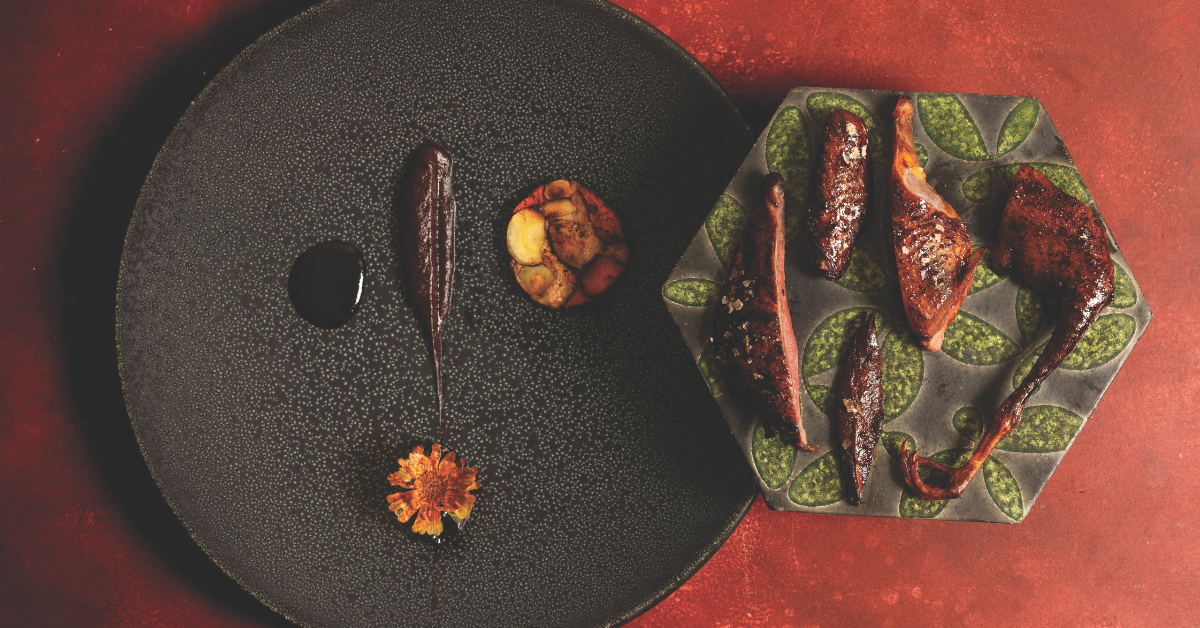
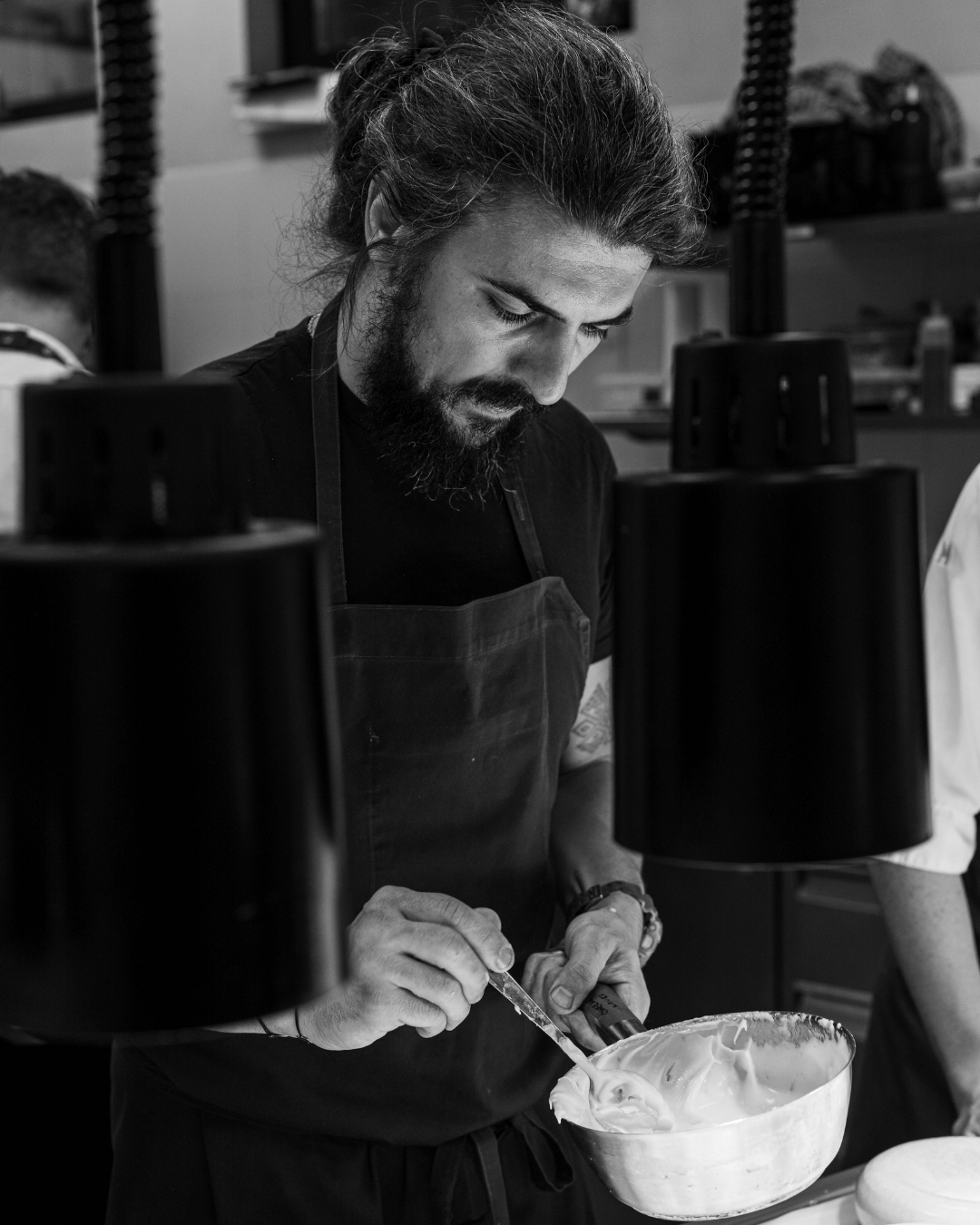
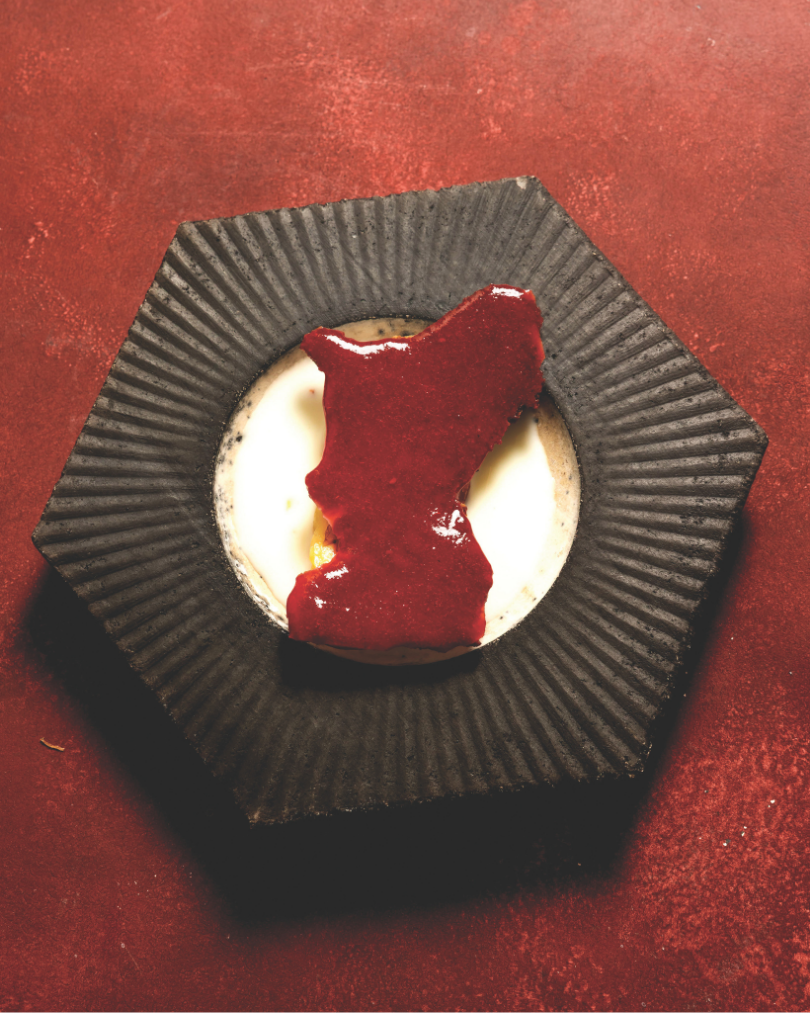
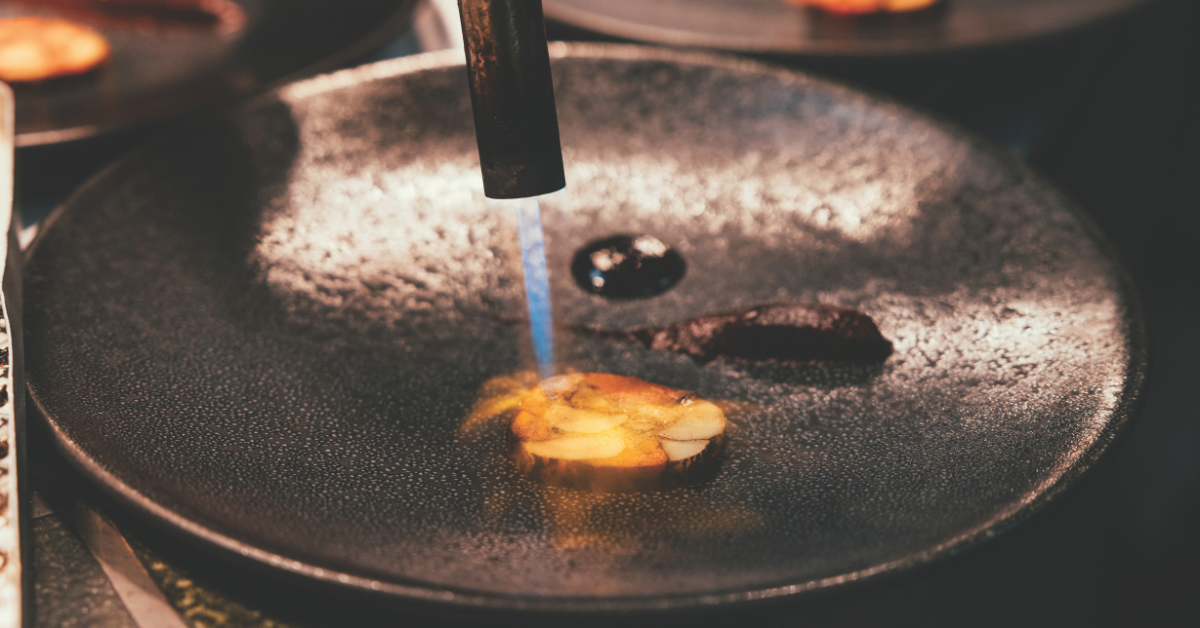
As a professional chef interested in and cooking modern Romanian cuisine, the most important thing for me is to know the original, the unusual and the traditional that it represents. In 2025 I started a one-year project called "Romania in a platter" Caravan, an initiative that moves Noua restaurant for a week in eight of the most important cities in Romania in order to rediscover the local micro cuisine in each region.

We do a two months prospection in each region searching for crafts, stories, recipes and clean ingredients from local producers. These help us to map the Romanian regional cuisine through a unique tasting menu. Up to this point, we have studied Northern Transylvania with developments in Cluj-Napoca and Dobrogea finalized in Constanta. Iași, Brașov, Oradea, Timișoara, Sibiu and Craiova are next, many of these cities being also AnimaWings destinations. More details about the project can be found on @noua.bucatarie.romaneasca.

From a culinary point of view, Romania remains a territory of discovery, of surprises, of diversity, a land still little explored and told, but also extremely exotic in terms of what it offers.