



The Textile Museum of Băița: a national treasure created by an international specialist, Florica Zaharia
25/05/2026 by Animawings / General
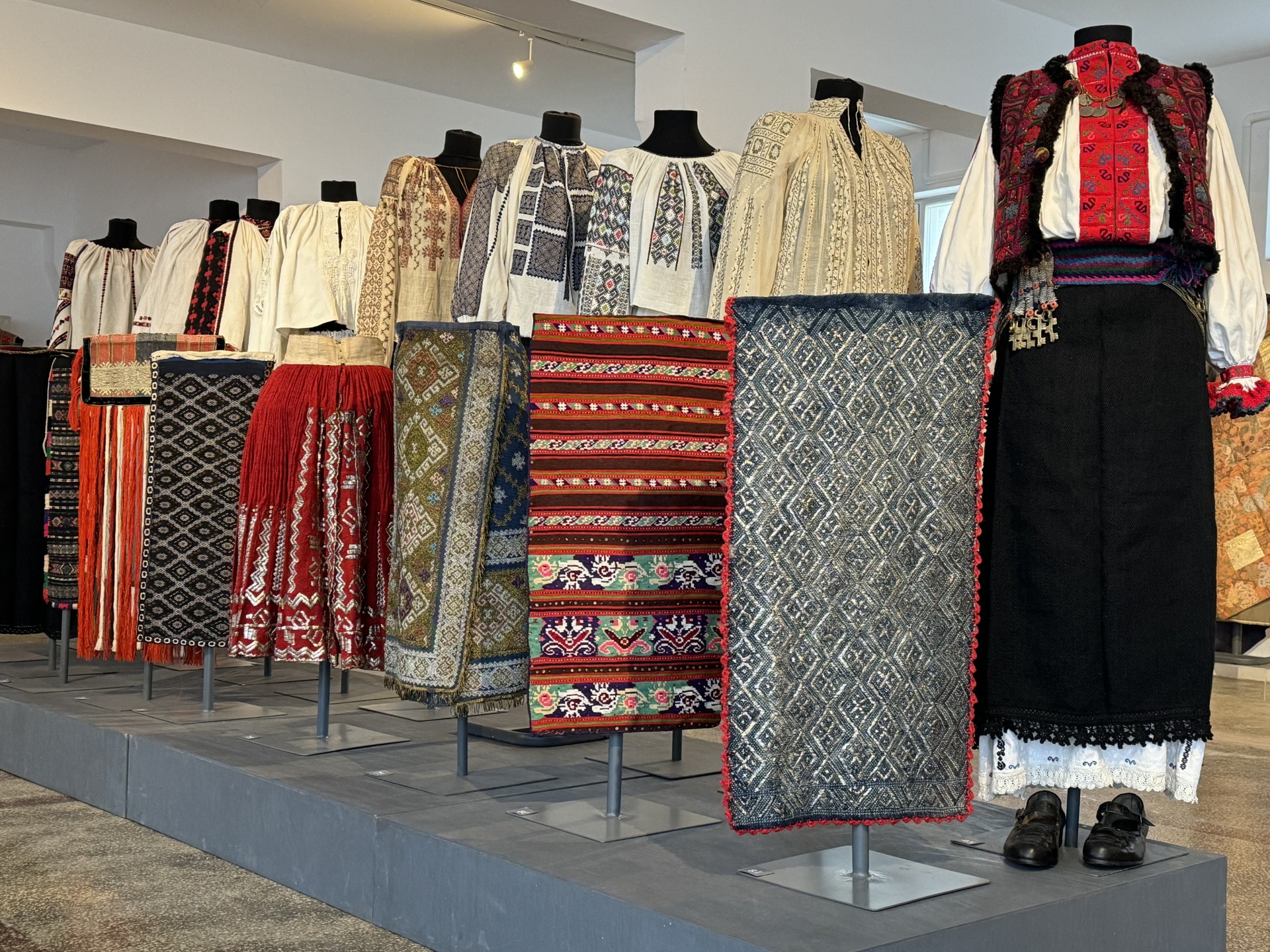
In the heart of Băița commune, in Hunedoara County, lies the Textile Museum, the first museum in Romania dedicated exclusively to the art and technology of traditional textiles. Opened to the public in 2018, the museum aims to reveal not only the beauty of textile objects, but also the complexity of their creation process — from raw fiber to the finished fabric.
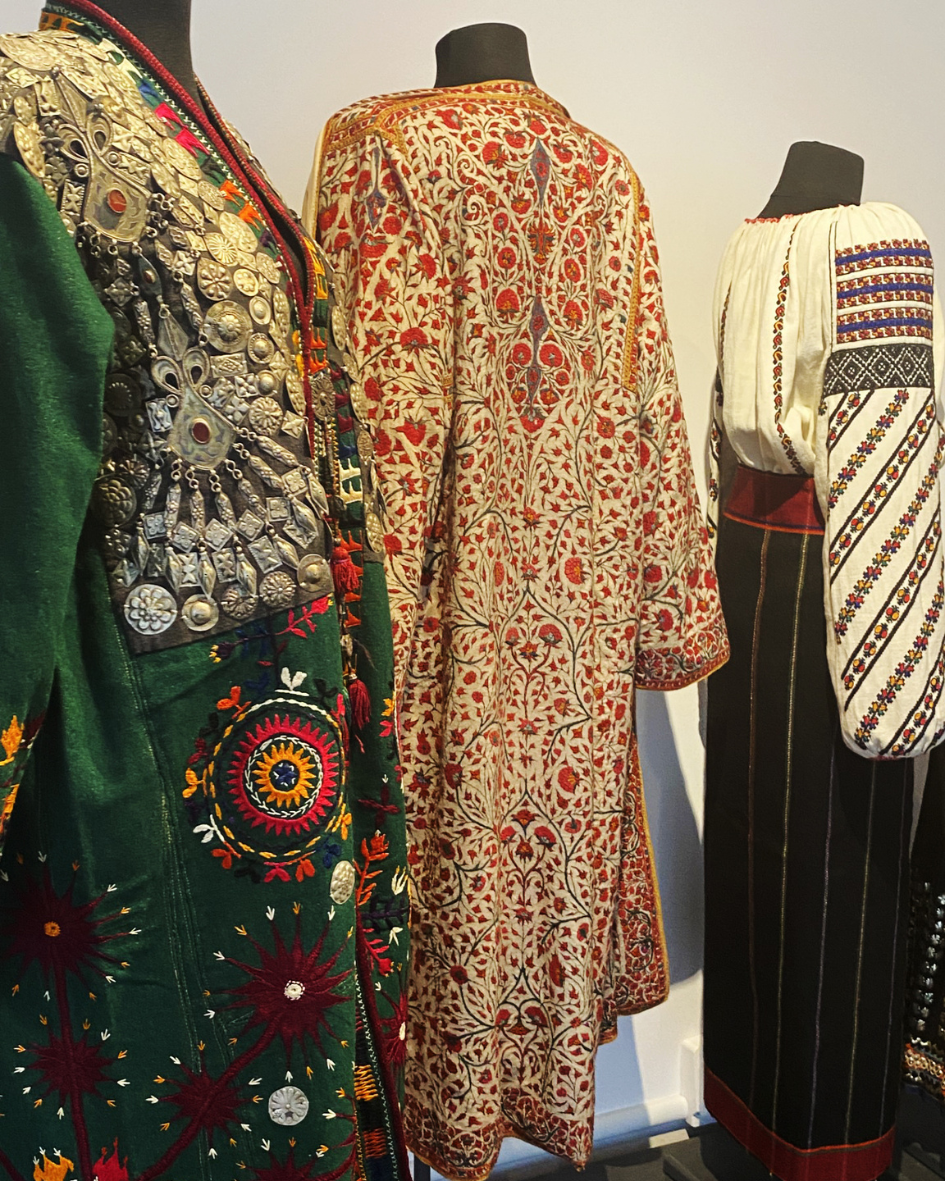
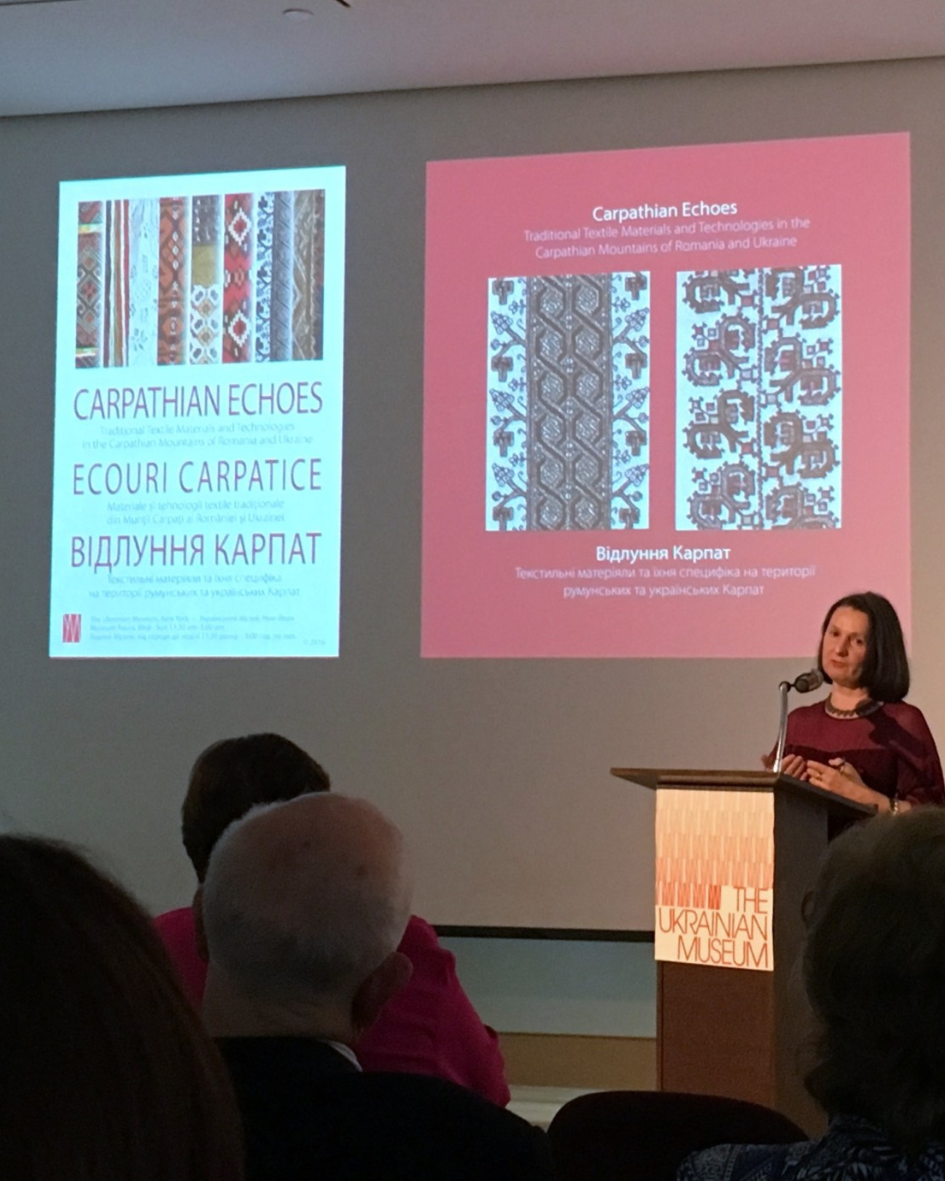
Founded by Florica Zaharia, PhD in Textiles and Emeritus Conservator at The Metropolitan Museum of Art, the museum brings together rare pieces dating from the 17th to the 20th centuries, alongside traditional spinning and weaving tools, natural fibers such as flax, hemp, wool, and silk, as well as examples of natural dyeing techniques. The FARZ Collection (Florica, Ana and Romulus Zaharia), which can be visited in Băița, includes both Romanian textiles and pieces from cultures around the world, offering a comparative perspective on global cultural heritage.
The exhibitions are housed in restored historic homes, one dating back to 1902, which serve not only as exhibition spaces, but also as conservation storage and research centers. Here, visitors can discover how each textile was made and understand its role in traditional everyday life.
For enthusiasts of history, art, and traditional craftsmanship, a visit to the Textile Museum in Băița becomes a fascinating journey through time and color, in a place where every thread tells a story. In fact, the Textile Museum has three locations — two in Băița commune and one in the village of Hărțăgani, all situated in Hunedoara County.
The idea behind this museum was born from a simple yet fundamental question: where does Romanian culture stand in relation to the cultures of the world? In search of an answer, Florica Zaharia began a research journey that, over the course of 40 years, grew into an extraordinary collection. When Ms. Zaharia and her family returned to Romania in 2016, they brought with them nearly ten thousand textile pieces, around 40% originating from the Romanian cultural space, while the rest came from cultures across every continent.
At that point, the collection had already become a responsibility. It could no longer remain hidden in storage or confined to a private collection. After nearly two years spent studying legislation and consulting specialists, the solution emerged: the creation of a museum — an institutional framework that would allow for research, publication, and international dialogue.
The Textile Museum operates differently from many cultural institutions. There are no long-term permanent exhibitions. Instead, the collection is presented through thematic exhibitions that change periodically and are the result of research projects that can take years to complete.
In fact, each exhibition represents the culmination of an extensive academic process involving fieldwork, collaboration with specialists, and cross-cultural comparison. The museum’s program is planned years in advance, with some projects prepared as much as eight years ahead of their opening.
One example is the research dedicated to traditional costumes from Romania and Japan — a cultural dialogue initiated decades ago and developed together with Japanese researcher Midori Sato. In projects like these, textiles become tools for understanding cultural identity.